


Choosing Your Season: When to Climb Mount Kilimanjaro
Few experiences compare with standing on the roof of Africa, and the month you choose for your climb shapes every step of the ascent. This guide walks you through Kilimanjaro's climbing seasons, the trade-offs of each window, and how to match your dates to the kind of trek you want, whether that means wide-open views or quiet trails.
How Kilimanjaro's Seasons Shape Your Climb
Kilimanjaro rises alone from the Tanzanian plains as a dormant volcano, and climbers can attempt it in any month of the year. In practice, the year splits into two broad climbing seasons: a longer dry season and a shorter wet season. Each brings its own trail conditions, summit views, and challenges to weigh before you book.
The Best Windows for Your Ascent
Pinpointing your ideal climbing month depends on the weather, the temperatures, and what you want from the trek. Most climbers aim for the dry months, when skies open up and routes firm underfoot. Below, we break down what each period offers so you can match your dates to your goals.
Why the Dry Season Works Best
Climbing between late June and October, and again from December to February, gives you the mountain at its most forgiving. Rainfall drops sharply, clouds lift, and the trail ahead stays firm, all of which make for a smoother and more enjoyable trek.
Wide Views and Crystal-Clear Air
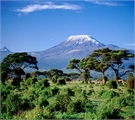
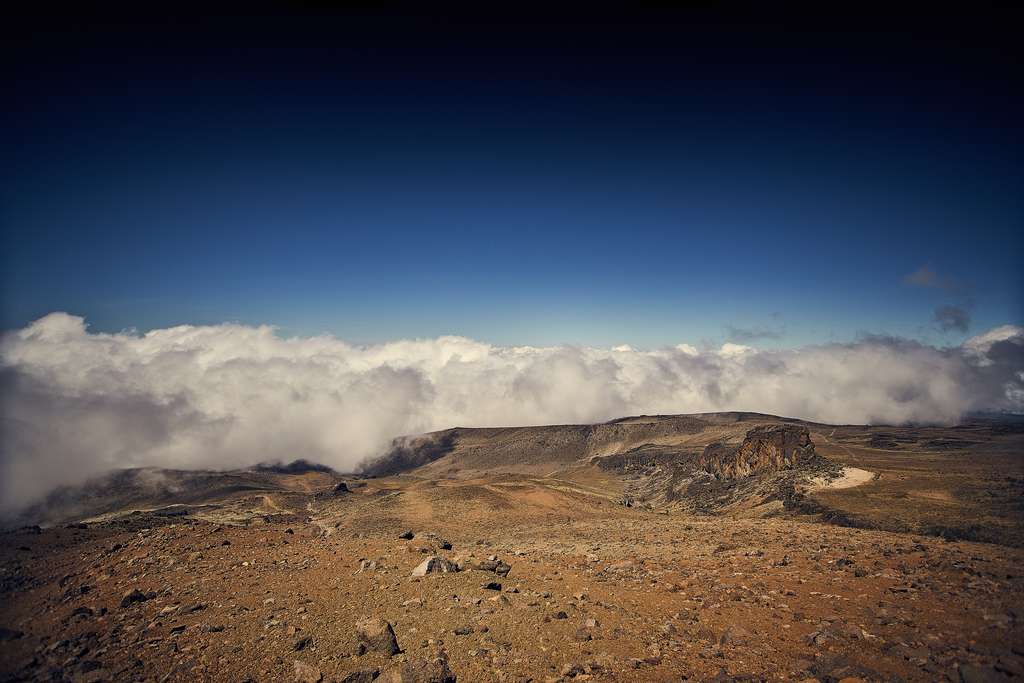
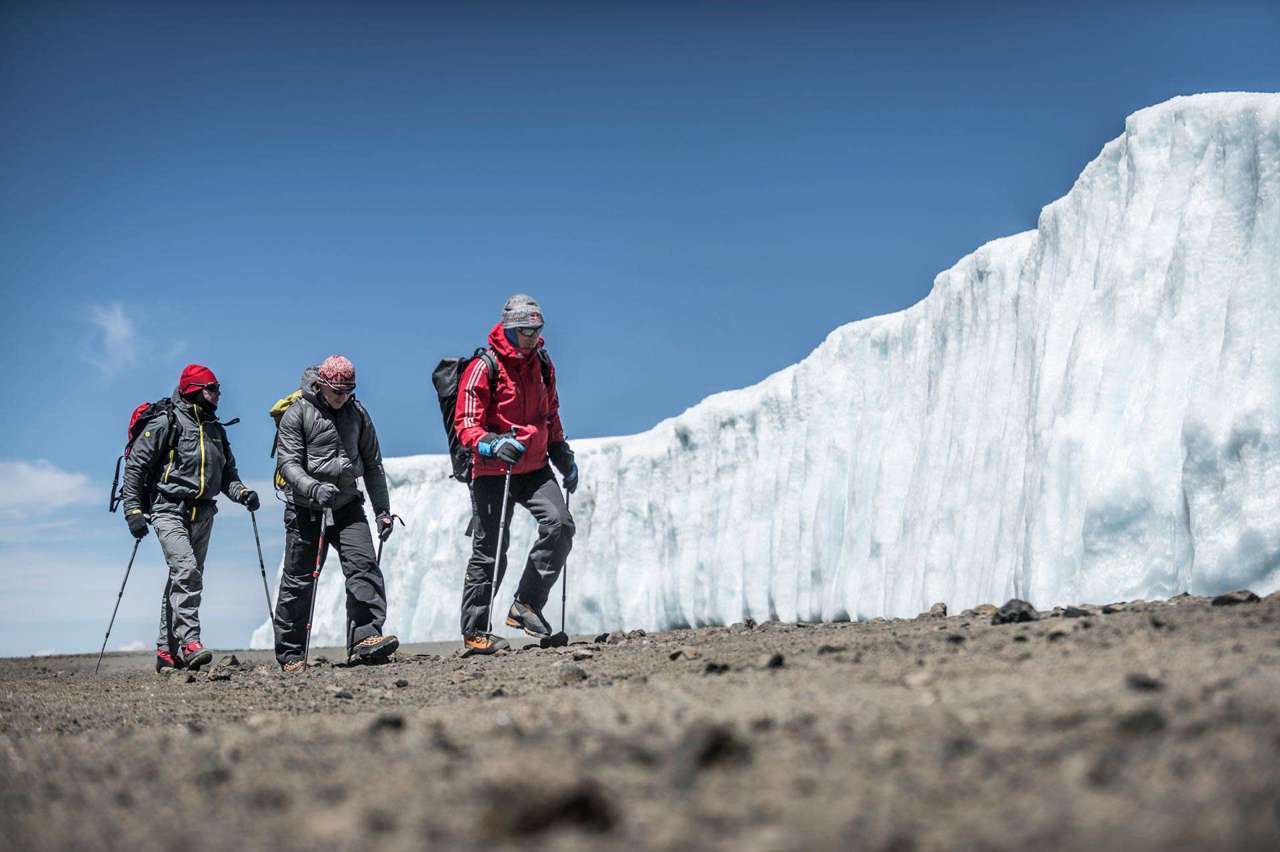
With the rain holding off, the air clears and sightlines open across the whole landscape. The ice-capped summit, the alpine moorlands, and Kilimanjaro's unusual high-altitude plants all stand out sharply against a bright sky.
Firmer Trails Underfoot
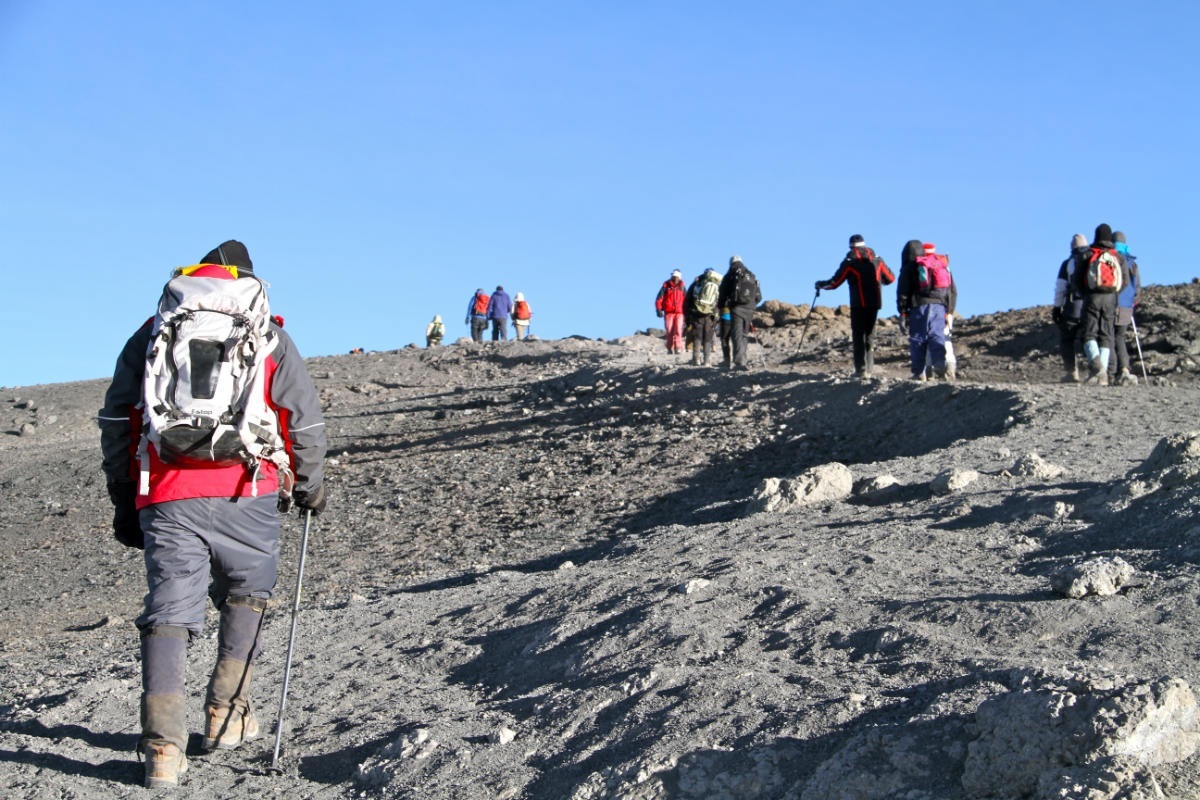
Trekking on dry ground means better grip and a steadier gait on the steep sections, which lowers the chance of slips. Add the milder daytime temperatures of these months and the whole climb simply feels more comfortable.
What the Wet Season Throws at You
The rainy stretches from March to May, plus the shorter rains in November, carry real appeal, but they also demand honest planning. Trails turn slick, heavy rain can slow progress, and conditions on the upper slopes require extra caution.
Slippery Ground and Reduced Visibility
Expect mud, mist, and the occasional loose rock on the path during these months. Climbers who arrive ready for damp, slippery hiking and who follow their guide's lead handle these obstacles without trouble.
Planning Honestly for Rain
Attempting the peak in the rains calls for realistic expectations. Quality waterproof kit, a seasoned guide, and patience with slower daily progress turn wet weather into a manageable part of the journey rather than a setback.
Busy Seasons and Quieter Alternatives
Timing your climb also shapes how busy the mountain feels, both on the trail and around camp. Understanding when crowds thin out and when camps fill up helps you pick a window that suits your preferred style of trekking.
When Crowds Arrive
The busiest stretches track the driest weather, drawing climbers in large numbers. July and August are reliably busy, and January and February see another wave of trekkers heading for the summit.
What Crowded Camps Mean
Good weather often comes with company in the form of shared campsites and fuller trails. Travelers hoping for solitude should plan for company at popular spots, or shift their dates to quieter weeks.
Finding the Sweet Spot Between Busy and Quiet
Early June and late November sit at the edges of the main seasons and see far fewer climbers. Choosing one of these shoulder windows gives you room on the trail and a calmer atmosphere around camp.
Staying Strong and Healthy
Whatever month you travel, your fitness and health routine underpins the whole climb. Build your preparation around the season you have chosen so you stay strong from the trailhead to the summit.
Getting Ready for Your Season
Solid preparation looks different depending on when you set out. Use the seasonal tips below to fine-tune your gear, training, and health habits for the conditions you will actually meet.
Dry Season Preparation Tips
- Hydration Habits: The dry air on the mountain pulls moisture from your body faster than you expect, so carry enough water and sip frequently from base to summit.
- Sun Safety: Clear skies mean fierce sun at altitude. Slather on sunscreen, wear dark sunglasses, and keep a broad-brimmed hat on to shield your skin and eyes.
- Smart Layering: Warm afternoons give way to freezing nights, so pack clothing you can stack and shed as the temperature swings.
Wet Season Survival Kit
- Waterproof Everything: Invest in a reliable rain jacket, waterproof trousers, and a pack cover. Staying dry keeps your energy up when the clouds open.
- Grippy Boots: Choose waterproof hiking boots with aggressive tread. Mud is guaranteed, and confident footing makes all the difference on descents.
- Steady Attitude: Meet the rain halfway with patience and good humor. Expect slow, wet miles and notice how the storm turns the landscape greener.
Training for Any Weather
- Cardio Work: Regular running, cycling, or rowing builds the aerobic base that long climbing days demand.
- Strength Work: Strengthen your legs and core so steep descents and loaded pack days leave you less wrecked.
- Altitude Prep: Where possible, train at elevation or use altitude-simulation tools so your body adapts to thinner air before you arrive.
Health Checks for Your Chosen Dates
- Drink Before You're Thirsty: Hydration matters in every season, so drink steadily to fight the combined strain of altitude and effort.
- Dress for the Forecast: Pack layers and rain protection matched to your travel window so the weather never catches your body off guard.
- Respect Altitude: Learn the warning signs of altitude sickness and ascend slowly, letting your body adjust before pushing higher.
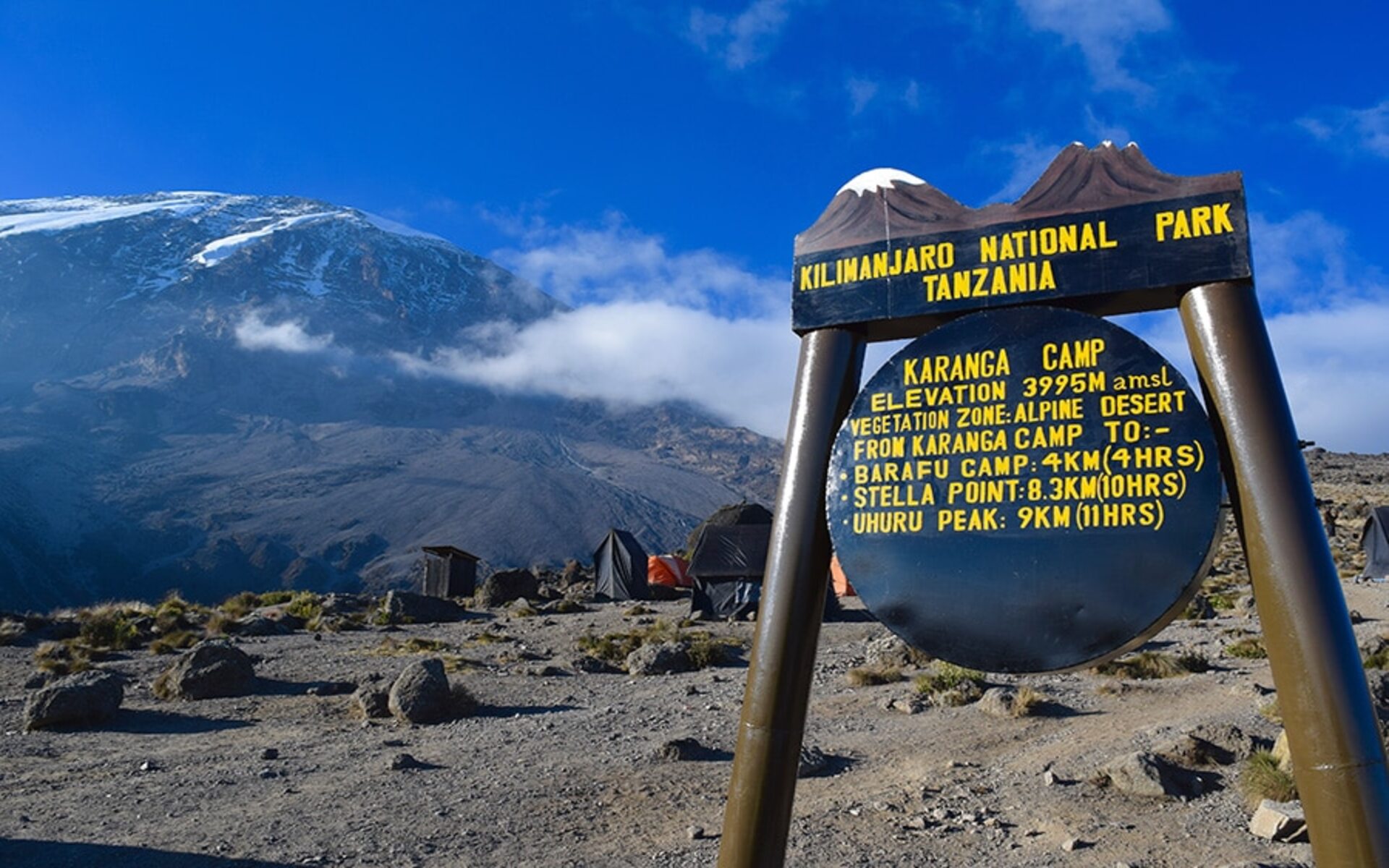
Your choice of season sets the tone for everything on Kilimanjaro, from the views at sunrise to the feel of the trail beneath your boots. Plan carefully, prepare thoroughly, and give the mountain the respect it deserves on the way to Uhuru Peak (5,895 m).