Tucked away on the slopes of Mount Meru, Arusha National Park is northern Tanzania's quiet escape—small, varied, and easy to explore. Unlike the open plains further north, it offers shaded forests, crater lakes, and gentler trails, and it is one of the few parks where you can set out on foot with an armed ranger. A typical morning combines wildlife viewing with close-up encounters that bigger parks rarely allow.
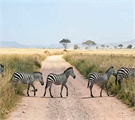
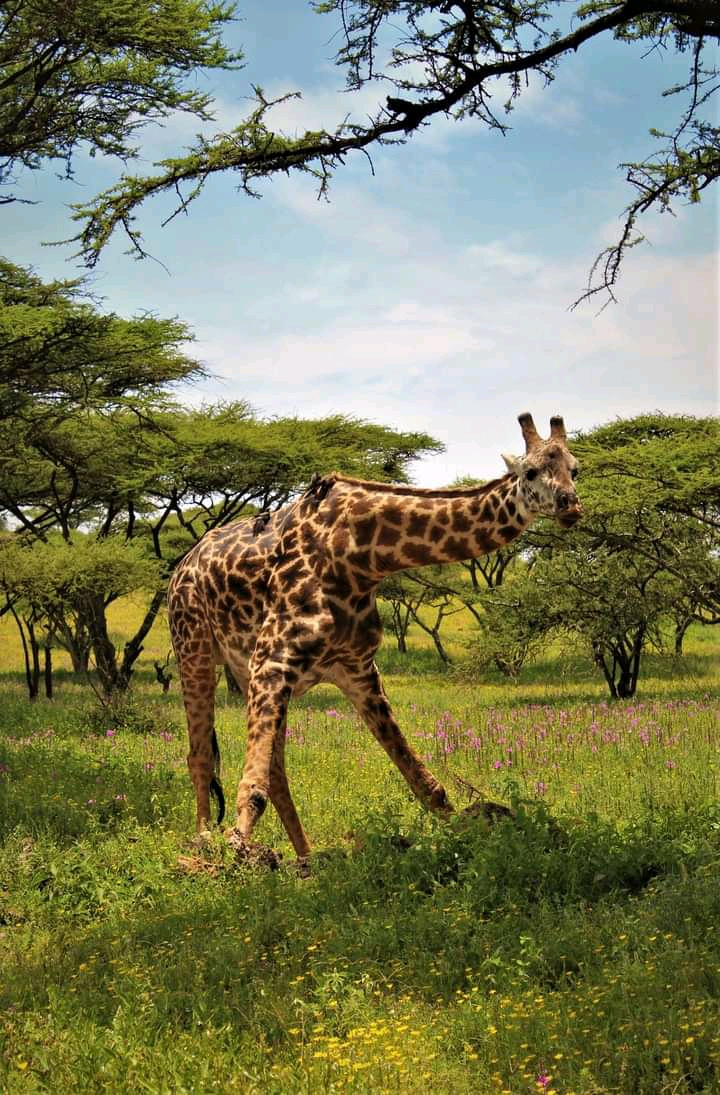
Its patchwork of montane forest, open grassland, and clear lakes shelters buffalo, giraffe, zebras, and richly coloured birdlife, while the Momela Lakes glow with hundreds of flamingos. Whether you drive or walk the forest loop, the park packs a surprising amount of scenery into a short stay.
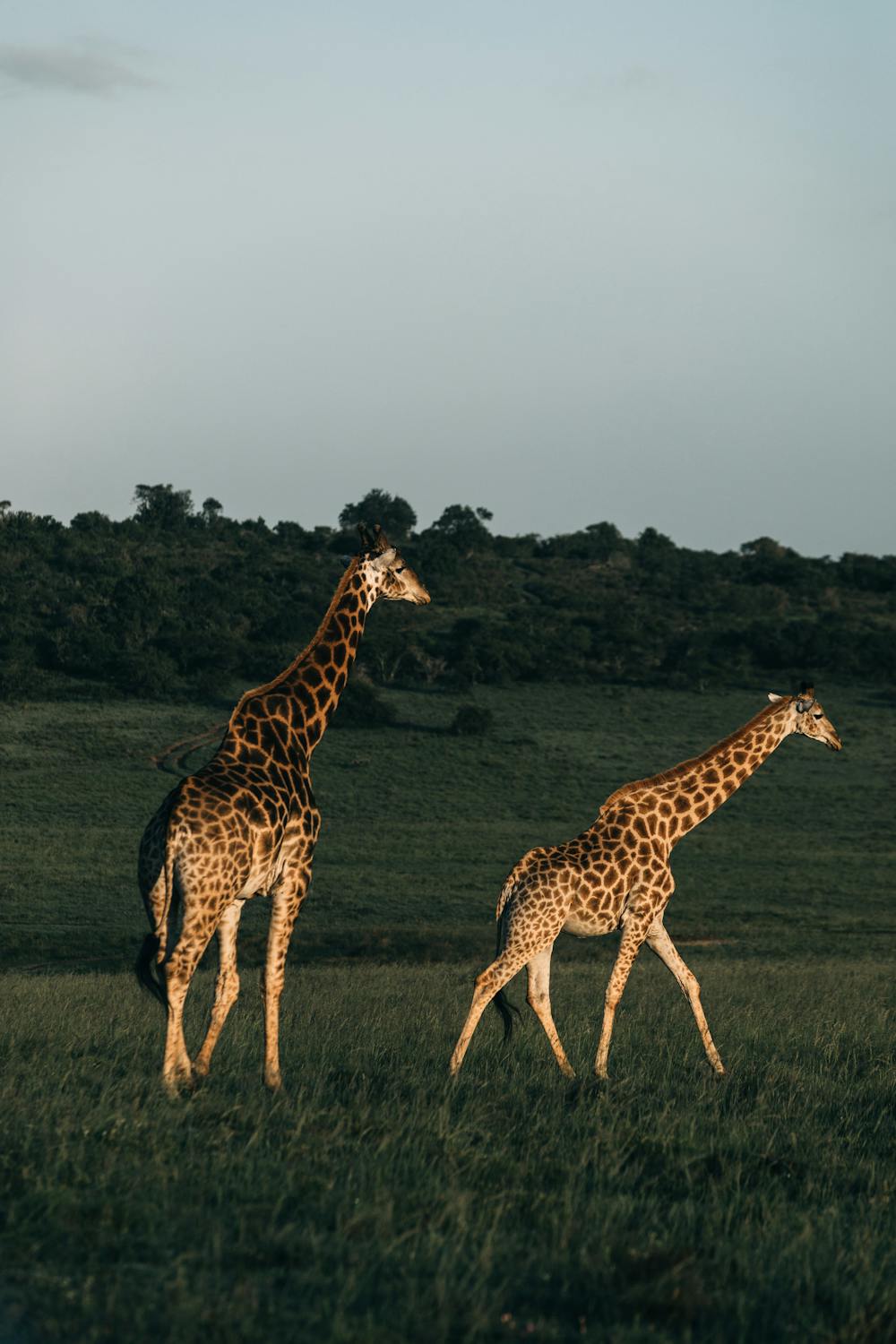
Set between the Rift Valley wall and a shimmering soda lake, Lake Manyara National Park is famous for its birds and its tree-climbing lions. Flocks of flamingos and pelicans line the shallows, while elephants, hippos, and troops of baboons keep the shoreline busy with constant movement.
After a morning game drive through groundwater forest, acacia scrub, and open floodplain, you can relax beside the water or join a canoe paddle out on the lake. It is an easy, scenic day out that crosses several of Tanzania's habitats in just a few hours.
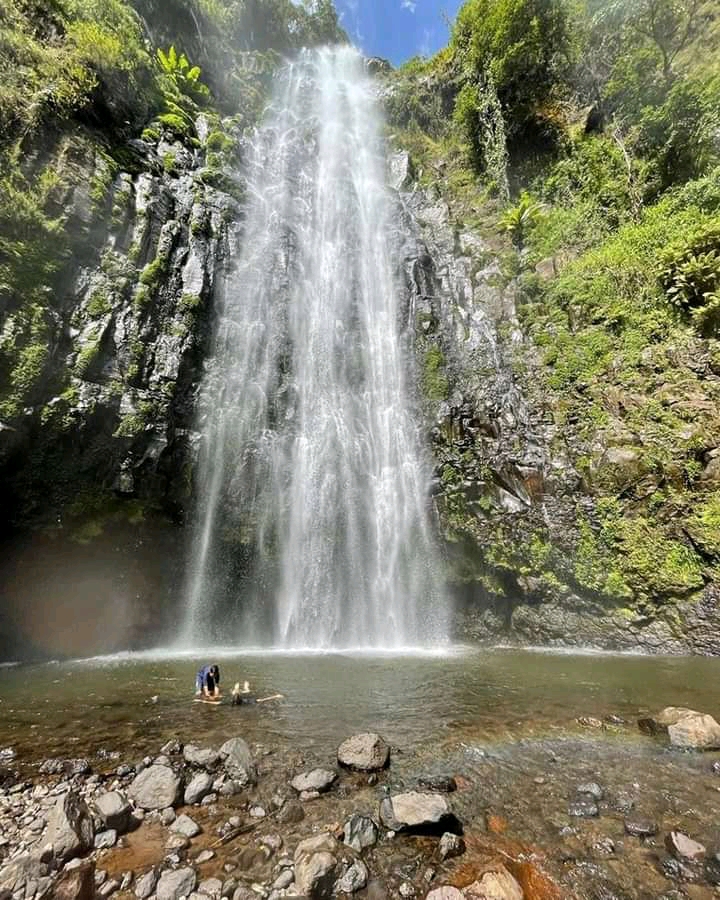
Hidden in the green foothills below Kilimanjaro, Materuni Waterfalls rewards a short rainforest hike with a tall curtain of water crashing into a cool pool. The trail winds through banana groves and tropical foliage, with views of the mountain whenever the clouds open wide.
Village guides also lead you through a coffee farm where beans are roasted, ground, and brewed the traditional way. Between the waterfall and the tasting, the day pairs light adventure with local hospitality and authentic flavours.
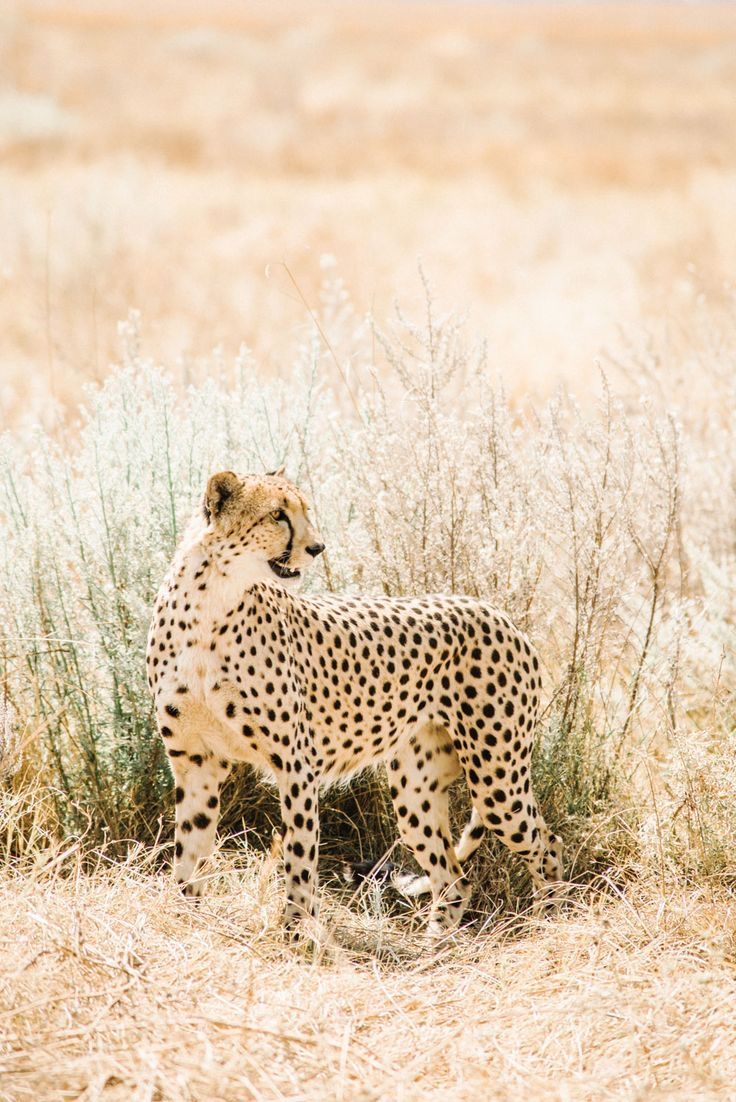
Tarangire is the baobab park—dotted with huge ancient trees and crossed by the Tarangire River that pulls in wildlife during the dry season. In the drier months especially, some of the country's largest elephant herds gather here, joined by zebras, giraffes, and the predators that follow them.
More than 550 bird species have been recorded in the park, so spurfowls, weavers, and raptors keep binoculars busy between big-game sightings. Rolling savannah, acacia woodland, and the striking baobab silhouettes shape every drive.
A picnic lunch near the river rounds off the day before the drive back to your hotel, with the park's wild character lingering in memory.
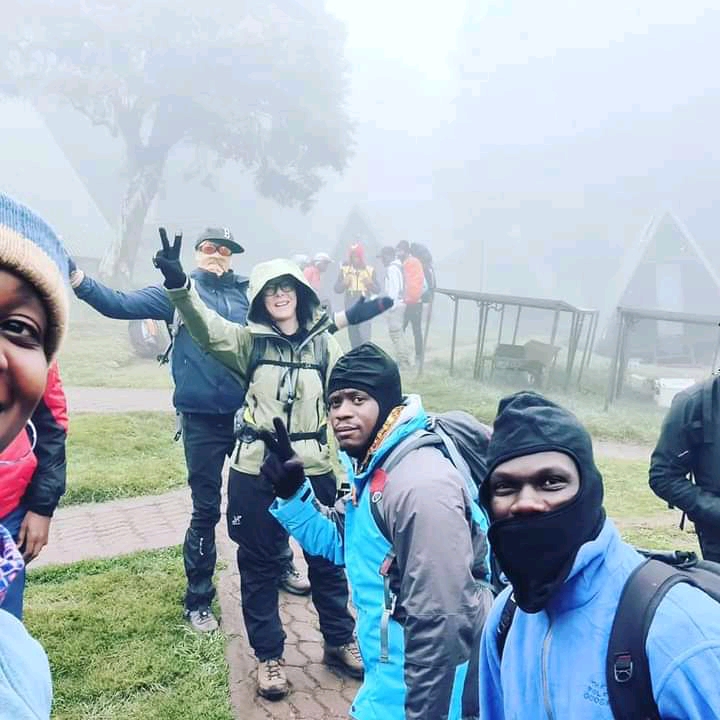
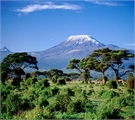
A day at Kilimanjaro needs no summit push to feel extraordinary. From the park gate you can hike through misty montane forest and alpine moorland on routes matched to your fitness, with the scenery opening up as your altitude climbs.
Even a few hours on the lower slopes reveal the mountain's shifting habitats, unusual plants, and the monkeys that live along its forest fringe. Full ascents take the better part of a week, yet a single day lets you touch the mountain's wildness without the long commitment.
Your guide fills the walk with stories about the mountain's volcanic past and the Chaga communities who have farmed and lived on its slopes for generations.
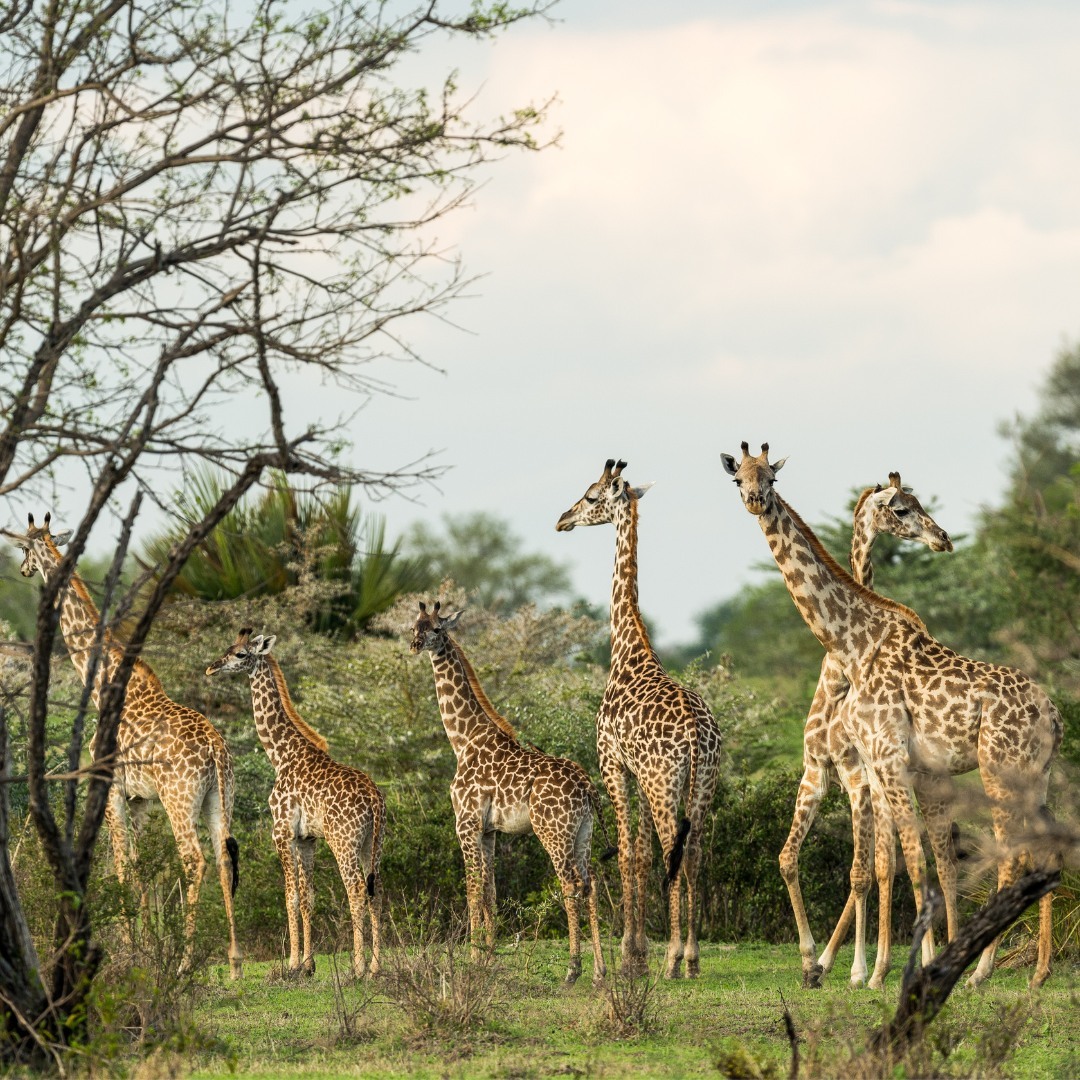
Descending into Ngorongoro Crater is like stepping into a self-contained wildlife arena, ringed by sheer walls and alive with grazing herds. The floor holds one of Africa's densest concentrations of large animals, including lion, elephant, buffalo, rhino, and leopard.
Guides explain the crater's volcanic origins, its conservation story, and the Maasai communities who share the wider conservation area with the wildlife. A single day on the crater floor can feel like a full safari in itself, capped by panoramic views from the rim.