Cradled between the Great Rift Valley escarpment and the shoreline of a glittering soda lake, Lake Manyara National Park packs an astonishing amount of wild variety into roughly 330 square kilometres. Slim in shape but rich in everything else, it is a firm favourite on northern circuit itineraries - a park of groundwater forest, acacia scrub, open floodplain and open water, where a single morning can feel like three different safaris.
Manyara National Park is a visual feast, its terrain sweeping from dense woodland and open grassy plains to the shimmering expanse of the lake itself. The park covers roughly 330 square kilometres and is one of the core pieces of the wider Lake Manyara Biosphere Reserve, a status that speaks to the richness packed into this narrow strip of the Rift Valley.
Lake Manyara itself is the soul of the park. This shallow, alkaline sheet of water can spread across more than 200 square kilometres after the rains, but its edges are never empty: flamingos wade in pink veils, pelicans and storks stalk the shallows, and pods of hippos grunt and wallow through the afternoon heat.
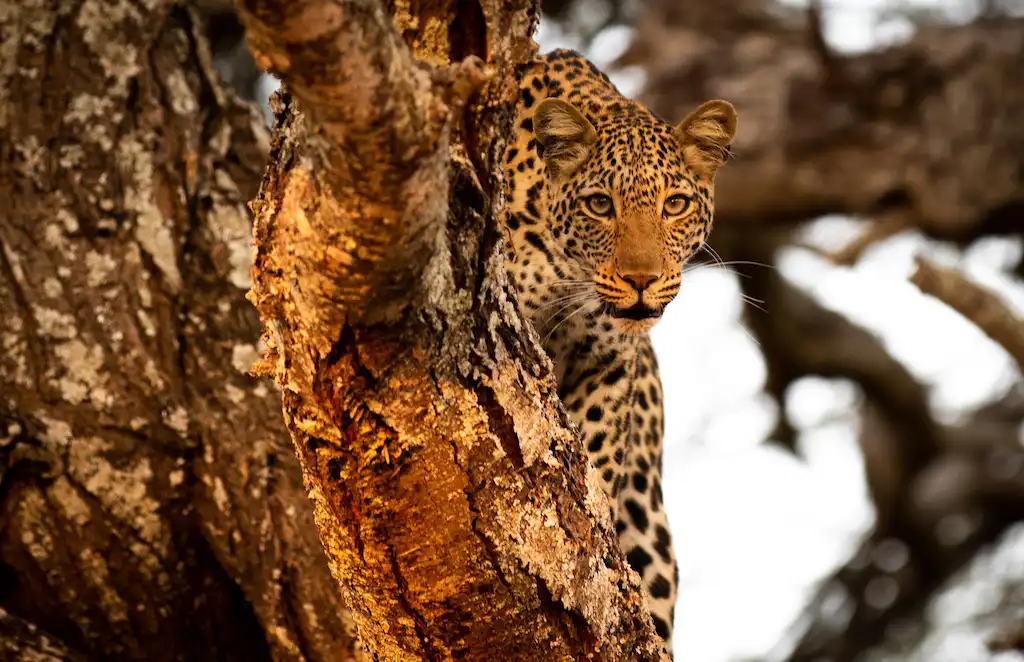
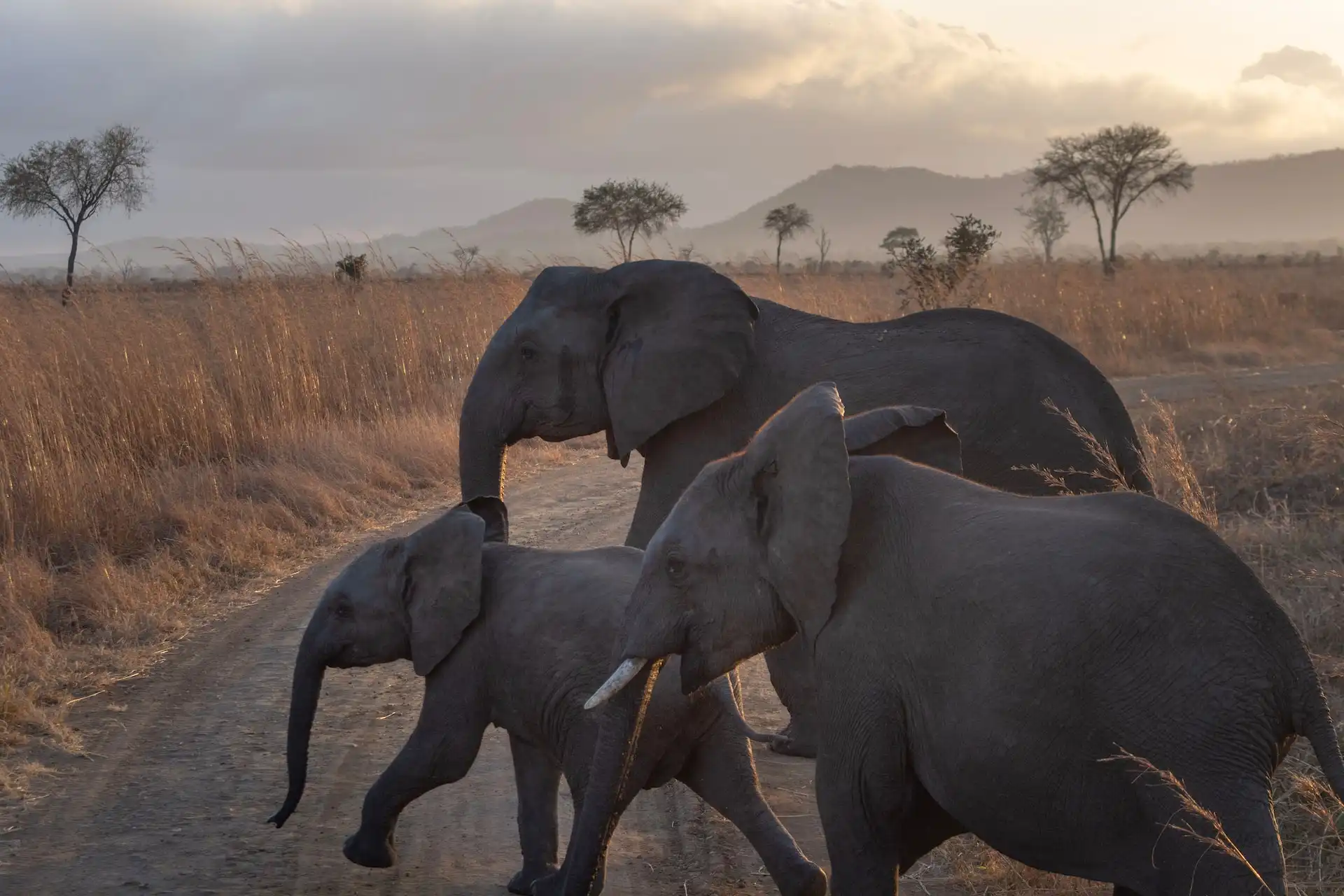
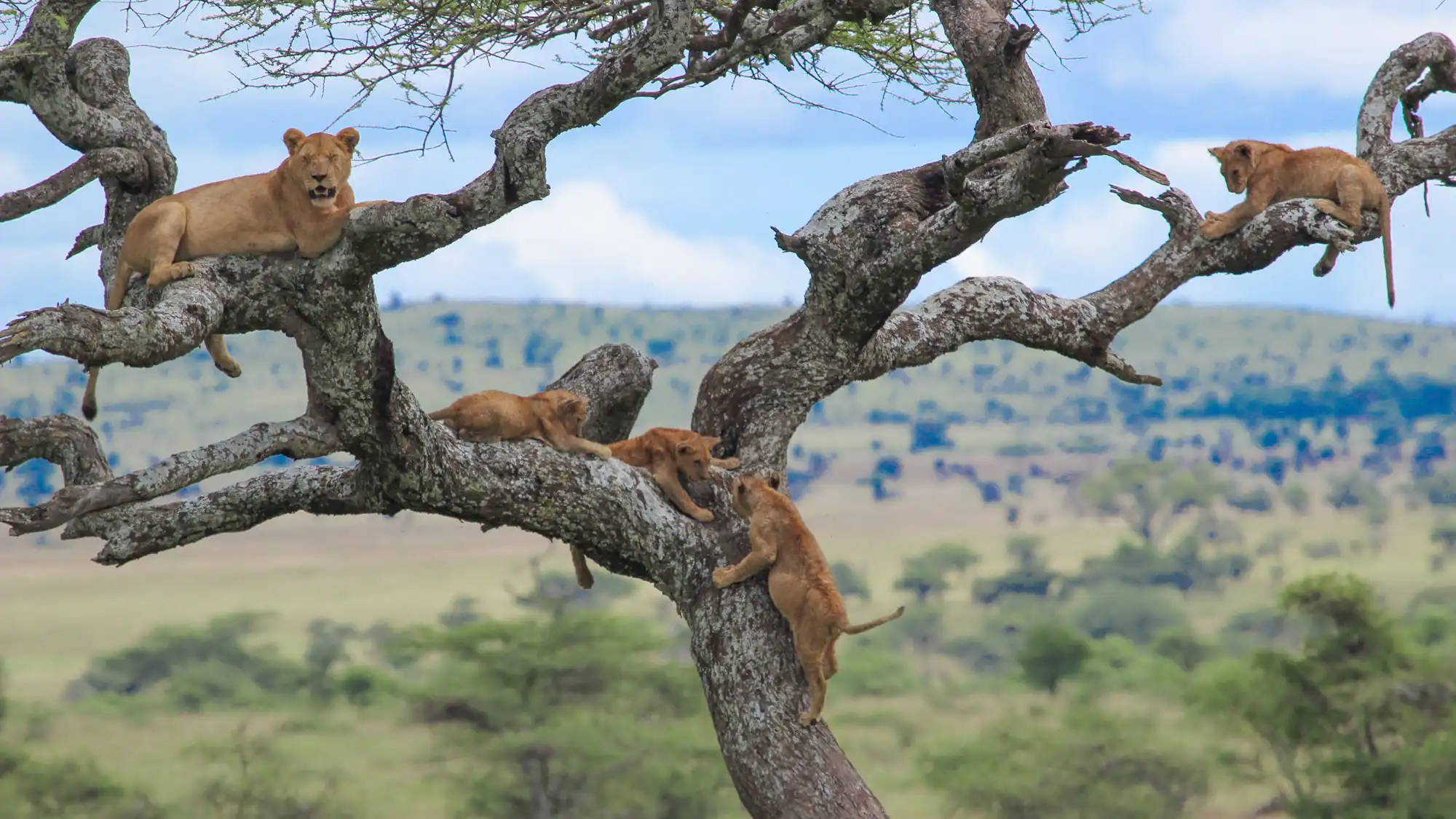
Manyara is famous for its tree-climbing lions, which sprawl along the horizontal branches of acacia and mahogany trees when the floodplain turns damp and uncomfortable. Beyond these celebrity cats, the park hosts elephants, buffalo, zebras, giraffes and wildebeest, all sharing a landscape that shifts from dry scrub to lush lakeshore within a few kilometres.
For birders, Manyara verges on paradise. More than 400 species have been recorded here, from the waterbirds crowding the lake to shrikes, bee-eaters and crowned cranes along the woodland edges. Deep in the forest, a canopy walkway lifts you high among the figs for a rare elevated view of the birdlife - and of the leopards that sometimes doze above the trail.
Vegetation tells the park's story in layers. Ancient mahogany and fig trees rise out of the groundwater forest, kept green by springs seeping from the escarpment, while acacia woodland, grassy floodplains and salt flats spread toward the water. The elusive leopard, at home among the branches, adds an air of mystery to the forested shade.
Around the woodland, grassy floodplains and hot springs add to the richness of the ecosystem, while the way these habitats knit together means every turn of the safari track reveals a new and captivating scene, from hard sunlight on open ground to cool, dripping forest shade.
Game drives trace the park's scenic loop, where elephants feed within metres of the track, but Manyara also rewards slower travel. Guided forest walks delve into the green interior and birding expeditions work the lakeshore, giving everyone their own version of the park.
The hot springs at Maji Moto offer a rare pause, where visitors can soak in warm mineral-rich water beside the wild. The Rift Valley escarpment that borders the park provides panoramic viewpoints over the lake and the Great Rift Valley, a favourite spot for photographers and sunset lovers alike.
The dry months between June and October deliver the classic experience, concentrating animals around the remaining water and making predators easier to find. From November to May the park turns rich and green, the lake widens, and huge numbers of migratory birds arrive - a softer, more romantic version of the same wilderness.
Manyara is more than a wildlife refuge - it is a working stronghold for conservation. Park staff run programmes to preserve the balance of the ecosystem, and visitors carry part of that responsibility. Travelling responsibly, respecting the rules and backing local conservation initiatives all play a role in keeping the lake and its life intact.
Compact, colourful and rarely crowded, Lake Manyara rewards everyone who leaves time for it. In a few hours you can climb from a forest canopy to a lakeshore of flamingos and look back at a wall of Rift Valley cliff - proof that Tanzania's smaller parks can hold the biggest magic.