Seven days and five natural wonders make up this grand sweep of the Northern Circuit. It opens at Arusha National Park, explored both on foot and by vehicle beneath the shoulders of Mount Meru, before heading west to the mighty Tarangire with its giant elephant families. Lake Manyara comes next, offering wildlife framed by the Rift Valley escarpment and a lakeshore that shimmers all afternoon.
Then comes the heart of the adventure - a drifting journey through the Serengeti's varied landscapes with full days of game viewing - before you finish where so many safaris save the best for last: the Ngorongoro Crater and its celebrated black rhino. From the first steps to the final game drive, each destination carries its own magic and its own memories.
| What’s included in my trip |
|
|||||
| What’s NOT included in my trip: |
|
After an 8:30 a.m. breakfast your driver-guide is waiting at the hotel, and by 9:30 you are underway to Arusha National Park, accompanied by an armed ranger. Pick from the park's varied routes and let your guide fill in the details - aardvark diggings, acacias that release warning scents, and a cast that includes zebra, duiker, giraffe and hippo. Keep the binoculars trained on the canopy for black-and-white colobus monkeys, on the sky for egrets and sacred ibis, and on the strangler figs, trees famous for draining the life from their hosts, as well as the curious warthog-buffalo partnerships.
Following a walking safari, lunch is well earned. Your driver-guide then showcases the park's mosaic of habitats - Mount Meru, the Momela Lakes, montane forest and the rim of the Ngurdoto Crater. It truly is Tanzania in miniature, and you return to your accommodation for a relaxing dinner and a restful night.
Leaving Arusha after breakfast, a two-hour drive carries you past roadside colours and Maasai herdsmen before you reach Tarangire and its golden savannah beside the Tarangire River. Nicknamed the Elephant Playground, the park holds the largest elephant population in the region, sharing the plains with buffalo, lion, wildebeest, zebra and gazelle.
Look out for the smaller stories too - a lone lion dozing in the noon heat, three cheetah siblings bonding, or the soft sandy coat of a Grant's gazelle. Ask your guide about agama lizards that change colour with the temperature, or the hyrax, a pocket-sized relative of the elephant, and don't miss the lilac-breasted roller and the secretary bird. Between grand panoramas and tiny details, Tarangire keeps on surprising.
Collected from your hotel at eight, you drive for around two hours to Lake Manyara, that slim ribbon of green and shimmering water along the Rift Valley escarpment. Vegetation is lush, wildlife confident, and the shallow alkaline lake hosts elegant pink flamingos feeding on algae - the calmest scene you will meet all trip.
More than 400 bird species have been logged here, and between February and June the cast expands with yellow-billed stork and pink-backed pelican. On land the terrain is compact yet varied, its forests fed by water seeping down the escarpment, where troops of monkeys, lions, giraffe, warthog and the ever-grumpy Cape buffalo hold court.
Do not skip the hippo pool, though nose-holding is advised - these big semi-aquatic residents smell exactly like their lifestyle. After a long game drive and lunch you continue to your lodge in Karatu, in the Ngorongoro highlands, for the night.
Breakfast done, you drive toward the Serengeti - a distance of 166 km and a journey of around three and a half hours through the Ngorongoro Conservation Area. By late morning you enter the Serengeti, a UNESCO World Heritage Site and Tanzania's oldest, most celebrated national park, and immediately join a game drive through scenery where the changing light alone is worth the trip.
Your driver-guide unpacks the ecology as you go - the flora and fauna, the fragile balance that holds the whole picture together. With thousands of predators and prey numbering in the hundreds of thousands, there is almost always something fascinating unfolding among the wildlife.
Lion, leopard, elephant, zebra, cheetah and antelope may all cross your path today, so snap your photos - and then remember to take a breath and simply enjoy the raw beauty around you. Afterwards you are driven to your accommodation for a welcome rest, your evening meal and a full night's sleep.
Waking in the Serengeti is special in a way words rarely capture - the sights, sounds and smells of Africa already crowding the senses. A morning game drive led by your expert guide takes you along the life-giving Seronera River, where a steady stream of species comes down to drink, and out among the iconic kopjes - ancient rocky outcrops that harbour everything from basking lions to secretive snakes.
Lunch in the bush becomes an anchor memory, a picnic heartily earned. The afternoon opens into another search as nature's dramas unfold unpredictably - lions, leopards, elephants, zebras, cheetahs and more taking their turn at centre stage. Keep an eye out for the Kori bustard, the world's heaviest flying bird, before returning for dinner and a well-earned night's rest.
After breakfast you spend the morning in the popular Seronera area of central Serengeti, where the year-round flowing Seronera River draws lions, hippos and steadily growing elephant herds. A stop at the Serengeti Visitor Centre adds insight into the park's ecosystem and conservation history - including the groundbreaking work of Bernhard Grzimek and the Frankfurt Zoological Society.
Lunch comes next, then the drive turns southeast toward the Ngorongoro Conservation Area. Crossing the vast plains past Simba Kopjes to Naabi Hill Gate, the 'endless plains' live up to their name; at the gate there is time for the visitor centre's exhibits, a short climb for panoramic views, or a headquarters hunt for the colourful agama lizard among the rocks.
Your final morning begins by dropping 600 metres into the crater for a game drive in one of the most densely crowded wildlife arenas on Earth. Home to an estimated 30,000 animals - including some of Tanzania's last remaining black rhino - it is fed year-round by reliable water and forage that support herds of wildebeest, zebra, buffalo, eland, warthog, hippo and giant African elephants.
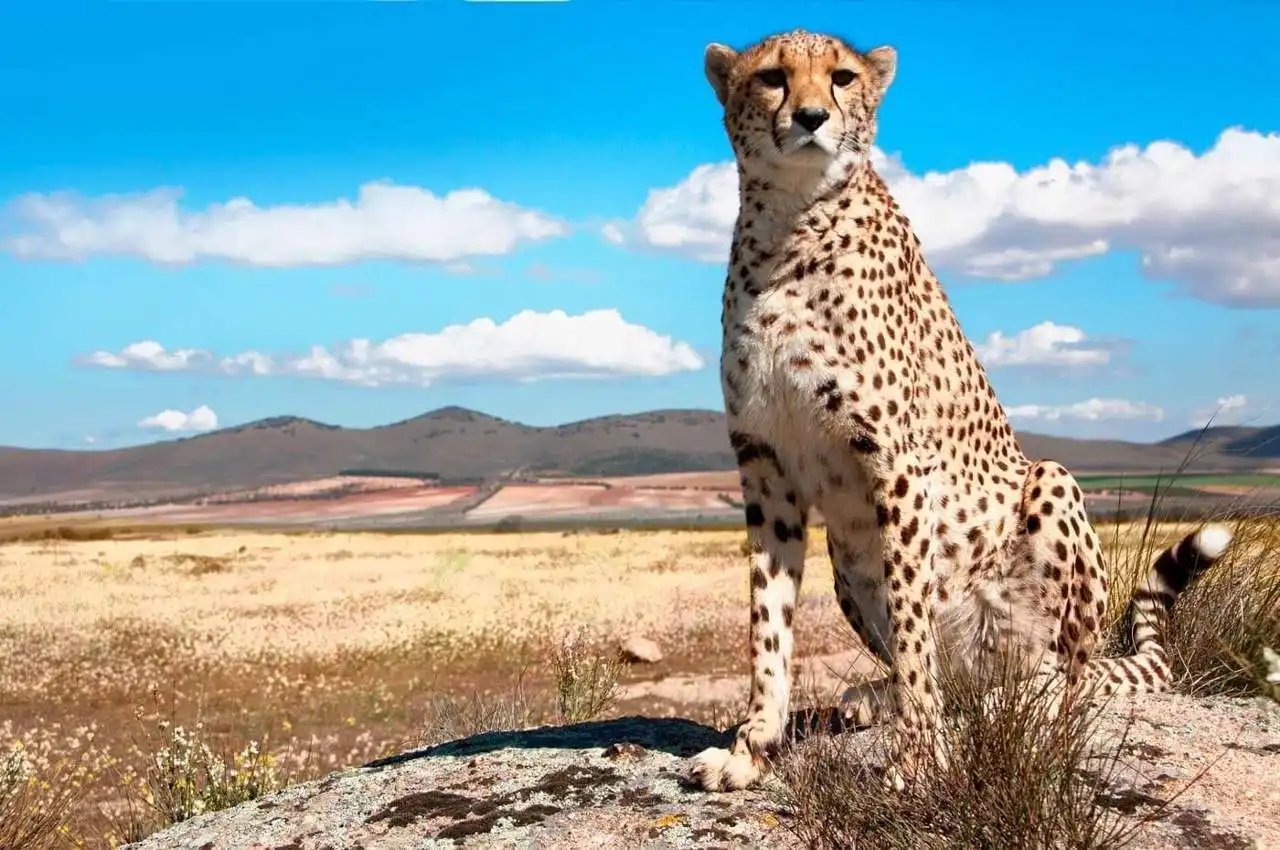
Equally compelling is the dense predator population: lion, hyena, jackal, cheetah and the ever-elusive leopard, which often needs a trained eye to locate among the foliage. After a picnic lunch on the crater floor you slowly climb out and drive toward Arusha, bringing seven days of northern Tanzania to a close.
From Mount Meru's foothills to the crater's depths, this map sketches a grand seven day sweep across Tanzania's most famous parks. Arusha, Tarangire, Manyara, the Serengeti and Ngorongoro drop into place with highways, gates and lodges clearly marked, making a big itinerary feel small and manageable. Hold it up and you can trace tomorrow's route before it even begins.
Lorem ipsum dolor sit amet, consectetuer adipiscing elit. Aenean commodo ligula eget dolor. Aenean massa. Cum sociis Theme natoque penatibus et magnis dis parturient montes, nascetur ridiculus mus
Lorem ipsum dolor sit amet, consectetuer adipiscing elit. Aenean commodo ligula eget dolor. Aenean massa. Cum sociis Theme natoque penatibus et magnis dis parturient montes, nascetur ridiculus mus